

Let’s clear something up first.
A premium-looking home isn’t about spending a fortune. It’s not about filling every corner with designer pieces or copying a showroom you saw online.
It’s about how a space feels.
Calm. Balanced. Intentional.
And the truth is — you can absolutely create that premium look without a premium price tag. You just need to be strategic.
Here’s how to do it properly.
1. Start With Decluttering (Yes, Really)
Nothing looks expensive in a cluttered room.
You could have a beautiful sofa and a marble coffee table, but if there are wires everywhere, random items on every surface, and no clear visual flow, the space will feel chaotic.
Premium spaces feel calm because they’re controlled.
Before buying anything new:
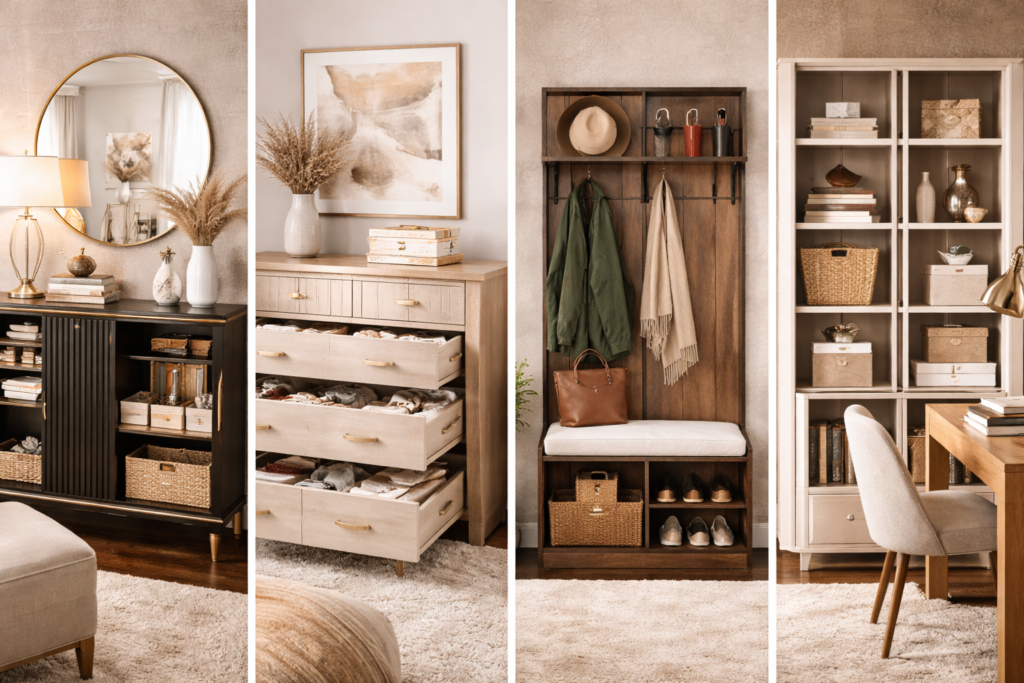
- Remove what you don’t need
- Hide visible clutter
- Clear surfaces
Sometimes the upgrade isn’t new furniture — it’s less furniture.
2. Choose a Neutral Base
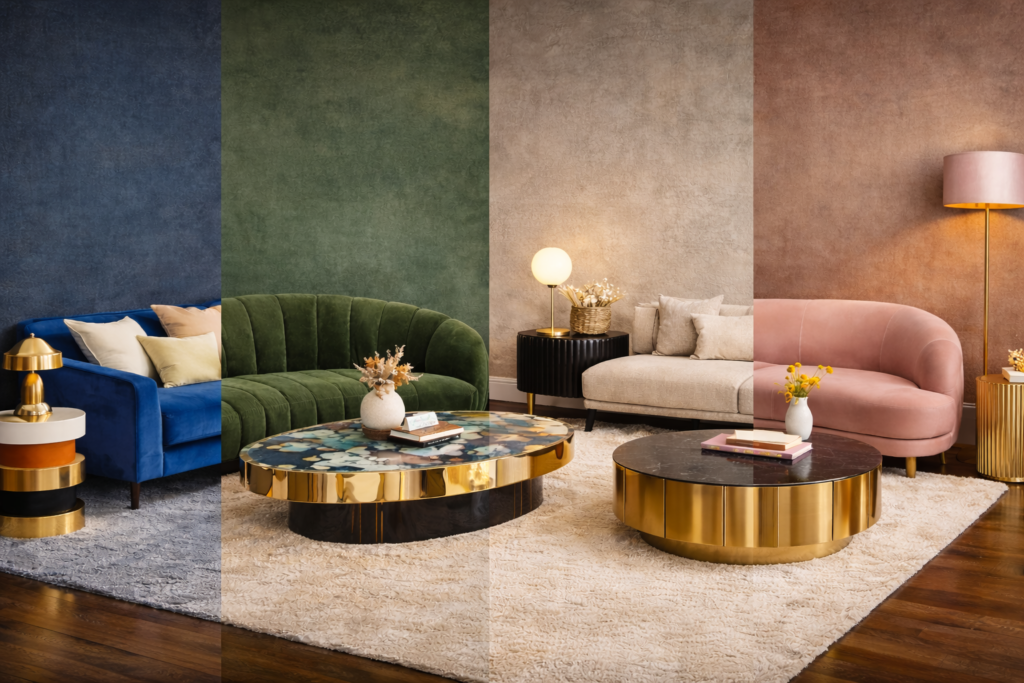
Luxury interiors almost always start with a neutral colour palette.
Think:
- Warm beige
- Soft greys
- Cream tones
- Muted taupe
- Earthy browns
Neutrals make a space feel cohesive and polished. They also allow small statement pieces to stand out without overwhelming the room.
You don’t need to repaint your entire house. Even switching cushions, throws, or rugs to a softer, more coordinated palette makes a noticeable difference.
3. Invest in One Statement Piece
If you want a premium feel on a budget, don’t spread your money across ten average items.
Choose one standout piece.
It could be:
- A beautifully shaped sofa
- A sleek dining table
- A bold sideboard
- A stylish bed frame
When one strong piece anchors the room, everything around it feels more elevated — even if those items are simple.
Premium spaces usually have a focal point. Create one.
4. Pay Attention to Lighting
Lighting changes everything.
Harsh white ceiling lights instantly make a space feel flat. Soft, warm lighting adds depth and comfort.
Instead of relying on one central light:
- Add a floor lamp
- Use table lamps
- Choose warm-toned bulbs
Layered lighting makes your home feel thoughtfully designed — and it doesn’t cost much to achieve.
5. Keep Lines Clean and Balanced
One thing expensive interiors do well? Simplicity.
They avoid overcrowding.
If your room feels “too full,” remove one or two pieces. Create breathing space around furniture. Let walls stay partially empty.
Spacing is powerful.
Premium doesn’t mean packed.
6. Upgrade Small Details
Sometimes it’s the smallest changes that elevate a space.
Consider:
- Swapping basic handles for brushed metal or matte black
- Using matching hangers in wardrobes
- Hiding cables properly
- Adding a large mirror to reflect light
- Choosing heavier curtains that fall properly
These subtle upgrades quietly change the feel of a room.
7. Add Texture, Not Clutter
Luxury spaces aren’t busy — but they are layered.
Instead of adding more décor, add texture:
- A soft throw on the sofa
- Linen cushions
- A textured rug
- A wooden tray on the coffee table
Texture makes a space feel rich without being loud.
8. Keep Décor Minimal (But Intentional)
Random décor looks… random.
Premium décor feels curated.
Instead of many small items, choose:
- One large vase
- A few stacked books
- A single statement art piece
- A well-placed plant
Odd numbers work well (groups of three, for example). Keep surfaces balanced, not crowded.
9. Make Everything Match the Same “Mood”
This is where many homes lose that premium feel.
Mixing too many colours, finishes, or styles creates visual confusion.
Choose a direction:
- Modern minimal
- Soft Scandinavian
- Warm contemporary
- Industrial
Once you decide, stick with it.
Consistency creates elegance.
10. Focus on Quality Where It Shows
Not everything needs to be expensive — but visible, frequently used items should feel solid.
For example:
- Your sofa
- Your bed
- Your dining table
- Your main storage pieces
When these feel sturdy and well-designed, the entire room feels upgraded.
You can save on smaller accessories — but anchor pieces matter.
A Final Thought
Creating a premium look isn’t about copying luxury homes online.
It’s about intention.
It’s choosing fewer, better pieces.
It’s controlling clutter.
It’s keeping colours cohesive.
It’s adding warmth through lighting and texture.
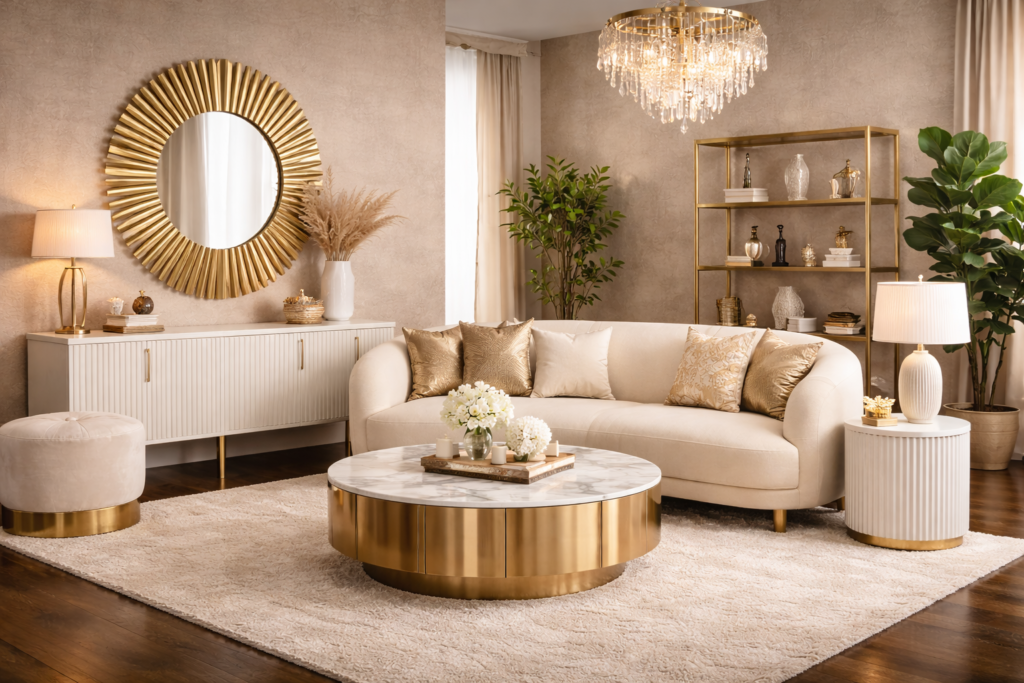
When you walk into a room and it feels calm, balanced, and thoughtfully arranged — that’s premium.
And that doesn’t require a huge budget.
It just requires good decisions.